
For years, you’ve been told kidney disease is a one-way street. Manage it. Slow it down. But never reverse it. That’s what everyone said until real patients started showing real improvements with documented cases that challenged everything we thought we knew about kidney disease.
The truth isn’t a drug or surgery. It’s hiding in plain sight at your grocery store, and it changes completely depending on which stage of kidney disease you’re in. What heals kidneys at stage two could actually harm them at stage five. The wrong food at the wrong stage accelerates damage instead of reversing it.
Why Your Doctor Hasn’t Told You About This Kidney Disease Solution
This isn’t a conspiracy. Most medical professionals simply don’t have time to dive deep into nutrition research while managing countless patients. There’s also a critical conflict that most doctors don’t explain: your kidneys need different support at different stages.
In a 2019 study published by the National Kidney Foundation, researchers tracked 847 kidney patients over three years. Those who matched their diet to their specific disease stage saw a 54% improvement in eGFR scores. Even more remarkable, 23% of stage 4 patients avoided dialysis completely, and 31% of stage 3 patients returned to normal kidney function [transcript].
The mechanism is simple. Early stages need inflammation control. Later stages need metabolic acid management. Final stages require fluid balance. Eating the same foods at every stage is why you haven’t seen kidney improvement yet.
Foods To Reverse Kidney Disease At Stage Two And Three
At stages 2 and 3, your kidneys face damage from diabetes and high blood pressure. Three specific foods target these root causes and can stop the damage before it progresses further.
Fenugreek Seeds Control Diabetes Damage
Fenugreek seeds contain a secret weapon your kidneys desperately need: an active compound called 4-hydroxyisoleucine. This compound tells your pancreas to release insulin only when your blood sugar is actually high. Unlike medications that can drop sugar too low, fenugreek works intelligently with your body.
Fenugreek also contains galactomannan, a special fiber that slows how fast sugar enters your bloodstream after meals. When you eat, sugar doesn’t hit all at once—it trickles in slowly, giving your body time to handle it properly. This one-two combination can lower fasting blood sugar by 21% and reduce cholesterol by up to 33% according to a 2020 study in the Journal of Diabetes and Metabolic Disorders involving 154 patients over 12 weeks [transcript].
Inflammation is the other silent killer for stage 2 and 3 kidneys. Every blood sugar spike creates inflammatory molecules that damage tiny kidney filters. Fenugreek contains diosgenin, a compound that directly blocks these inflammatory pathways. In a 2018 study published by the American Journal of Kidney Diseases, patients taking fenugreek showed a 47% reduction in inflammatory markers within just 8 weeks [transcript].
How to use fenugreek: You need 5 grams of fenugreek powder (about one teaspoon) twice daily, taken 15-30 minutes before your two largest meals. Mix the powder in warm water or sprinkle it over food. Some people soak seeds overnight and drink the water in the morning. Fenugreek has a slightly bitter maple-like taste, so capsules containing at least 5 grams per serving work if you can’t tolerate it.
Barley Replaces Damaging Grains
If you’re still eating white rice or regular wheat bread, switching to barley could be the single most powerful change you make. Barley contains beta-glucans, completely different from fiber in other grains. Beta-glucans form a thick gel in your digestive system that physically wraps around sugar and slows absorption dramatically.
A 2019 clinical trial in the European Journal of Clinical Nutrition followed 216 diabetic patients for 6 months. Those who replaced regular grains with barley saw hemoglobin A1C drop by 1.2 points on average—comparable to some diabetes medications, except barley has zero side effects and feeds good gut bacteria [transcript].
When beta-glucans reach your intestines, they become food for beneficial bacteria that produce short-chain fatty acids, particularly butyrate. Butyrate heals your gut lining and reduces systemic inflammation by 38%. Less inflammation means less stress on kidneys. The Journal of Renal Nutrition published a 2021 study showing kidney patients who ate barley three times weekly maintained stable kidney function over 2 years, while the control group declined by 12% [transcript].
How to prepare barley: Use pearl barley or whole barley, not instant kind. Cook one cup of barley with three cups of water for about 45 minutes until tender. Use it like rice as a side dish, in soups, or for breakfast like oatmeal. Eat it with lunch or dinner, ideally with protein because barley helps moderate blood sugar spikes that protein can cause in diabetics.
Strawberries Protect Blood Vessels
Your blood vessels are under attack at stages 2 and 3, creating the high blood pressure damaging your kidneys. Strawberries fight back with compounds called anthocyanins and ellagic acid that tell blood vessels to relax and widen.
Anthocyanins boost your body’s production of nitric oxide, a molecule signaling artery walls to expand. When arteries expand, blood pressure drops naturally. A 2022 meta-analysis in the Journal of Hypertension analyzed data from 34,000 participants and found people who ate strawberries daily reduced systolic blood pressure by an average of 7.6 points. For kidney patients, that reduction can be life-changing [transcript].
Strawberries also protect delicate endothelial cells lining blood vessels, constantly damaged by high blood sugar and pressure. Vitamin C in strawberries—about 149% of your daily need in just one cup—repairs this damage at the cellular level.
How to eat strawberries: You need about one cup daily (roughly eight medium strawberries). Fresh is ideal, but frozen strawberries are just as effective and often more affordable. Frozen berries are picked at peak ripeness, sometimes containing more nutrients than fresh ones traveling long distances. Eat them in the morning with breakfast or as an afternoon snack. Blend into smoothies, slice over barley porridge, or eat plain. Daily consistency is what showed results in studies.
Foods To Reverse Kidney Disease At Stage Four
At stage 4, your kidneys face a crisis they didn’t have before: they can no longer remove acid from your blood efficiently. This acid accumulates day after day, creating metabolic acidosis that eats away at bones, weakens muscles, and accelerates kidney decline by up to 54%. According to a 2018 study in the Clinical Journal of the American Society of Nephrology, the solution isn’t another pill—it’s eating foods with negative PRAL scores [transcript].
PRAL stands for potential renal acid load. Foods with negative PRAL scores are alkaline, meaning they neutralize acid instead of creating it. But here’s the catch at stage 4: you also need to watch potassium levels. Too much potassium can trigger dangerous heart rhythms when kidneys are this weak.
Kohlrabi Neutralizes Acid Safely
Kohlrabi is a bulbous vegetable that looks unusual but is stage 4 patients’ best friend. Kohlrabi has a PRAL score of -5.5, making it highly alkaline. What sets it apart is combining alkalinity with moderate potassium. One cup of kohlrabi contains only 472 mg of potassium compared to spinach with over 800 mg in the same amount.
The active compounds are glucosinolates and isothiocyanates. When you chew kohlrabi, these compounds break down and activate your body’s natural detoxification enzymes, specifically boosting NRF2 pathways that tell cells to produce more antioxidants neutralizing acid and inflammation damaging kidneys. A 2021 study published in Kidney International tracked 312 stage 4 patients over 18 months. Those consuming alkaline vegetables like kohlrabi at least four times weekly showed 41% slower progression to stage 5 compared to those who didn’t. Their blood pH stayed within the healthy range of 7.35 to 7.45 while the control group’s pH dropped dangerously low [transcript].
Kohlrabi also provides exceptional vitamin C—about 84 mg per cup (93% of daily requirement)—strengthening blood vessel walls and helping body absorb alkaline minerals more efficiently.
How to prepare kohlrabi: Peel the tough outer skin with a vegetable peeler. The flesh inside is crisp and slightly sweet, similar to mild cabbage. Eat it raw, sliced thin in salads, or steam for 8-10 minutes until tender. Steaming increases bioavailability of beneficial glucosinolates by 30%. Eat kohlrabi with dinner, especially with protein, because protein creates acid during digestion and kohlrabi consumed at the same meal neutralizes that acid before entering bloodstream. Aim for one cup four to five times weekly.
Red Bell Peppers Provide Maximum Alkalinity
Red bell peppers are stage 4 powerhouses, and color matters. Red bell peppers contain twice the vitamin C and 11 times more beta-carotene than green peppers. One medium red bell pepper gives you 190% of daily vitamin C requirement—an astounding 169 mg.
The alkaline power comes from PRAL score of -4.4 combined with remarkably low potassium at just 251 mg per cup, making them one of the safest high-alkaline foods for stage 4 patients limiting potassium. Red bell peppers contain lycopene and capsanthin, two carotenoids directly reducing oxidative stress in kidney tissue. A 2020 study in the Journal of Nutritional Biochemistry found these compounds decreased kidney inflammation markers by 38% in patients with advanced kidney disease over 12 weeks [transcript].
Vitamin B6 in bell peppers (about 0.43 mg per cup) plays a crucial role in metabolizing homocysteine. High homocysteine levels create additional acid and damaged blood vessels. By lowering homocysteine, B6 protects both kidneys and cardiovascular system. Folate abundant in red bell peppers at 68 micrograms per cup works alongside B6 to further reduce homocysteine.
How to prepare red bell peppers: Eat them raw whenever possible because vitamin C degrades with heat. Slice into strips for snacks, chop into salads, or blend into fresh vegetable juice. If you must cook them, use gentle steaming for no more than 5 minutes or quick stir-frying for 2-3 minutes to preserve nutrients. Eat bell peppers throughout the day, especially between meals when stomach produces more acid. One cup daily, divided into two servings, works best—morning and afternoon are ideal.
Arugula Offers Highest Alkalinity
Arugula is the most alkaline food available to stage 4 patients. With PRAL score of -7.5, it’s one of the highest alkaline foods existing while containing only 369 mg potassium per 100g, keeping you safely within stage 4 limits.
Arugula contains high concentrations of dietary nitrates (about 480 mg per 100g). Your body converts these nitrates into nitric oxide through bacteria in mouth and stomach. Nitric oxide signals blood vessels to relax and expand, dropping blood pressure naturally. A 2019 meta-analysis in Hypertension Research showed dietary nitrates reduced systolic blood pressure by an average of 8.1 points across 2,800 participants [transcript].
Isothiocyanates in arugula activate the same NRF2 pathways mentioned with kohlrabi but even more powerfully. Research from the National Institutes of Health in 2022 demonstrated these compounds increased antioxidant enzyme production by 67% in kidney patients within just 4 weeks. Arugula also provides exceptional vitamin K—about 108 micrograms per cup (90% of daily need)—preventing calcium from depositing in blood vessels, a dangerous complication common in stage 4 kidney disease.
How to prepare arugula: Eat arugula raw. Cooking destroys up to 75% of beneficial nitrates. Add to salads, layer on sandwiches, or blend into smoothies. The slightly peppery taste pairs well with lemon juice and olive oil. Consume two cups daily, ideally split between lunch and dinner. Chew thoroughly because nitrate conversion begins in mouth with saliva.
Foods To Reverse Kidney Disease At Stage Five
At stage 5, your kidneys are functioning at less than 15% capacity. The most visible and dangerous problem is fluid retention. You wake up with swollen ankles, face looks puffy, and you feel breathless because fluid is backing up into lungs. Doctors might push dialysis, but these three foods can buy precious time by acting as natural diuretics, helping body eliminate excess water without harsh side effects of pharmaceutical water pills.
Dandelion Greens Release Trapped Fluid
Most people think dandelions are just weeds, but for stage 5 kidney patients, dandelion greens are one of nature’s most powerful diuretics. Active compounds responsible are taraxasterol, sesquiterpene lactones, andInulin. These substances tell kidneys to release more sodium and water into urine without depleting potassium levels the way prescription diuretics do.
Taraxasterol increases filtration rate in whatever kidney function remains by dilating afferent arterioles—tiny blood vessels leading into kidney filters. More blood flow means more fluid gets processed and eliminated. At the same time, sesquiterpene lactones reduce inflammation in kidney tissue by blocking inflammatory enzymes called COX-2 and lipoxygenase. A 2017 study published in the Journal of Alternative and Complementary Medicine tested dandelion leaf extract on 28 patients with severe fluid retention. Within 72 hours, participants showed 15% increase in urine output and measurable reduction in ankle swelling. Blood pressure dropped by an average of 9.4 points systolic without medication changes [transcript].
Dandelion also contains inulin, a prebiotic fiber feeding beneficial gut bacteria. Your gut tries to help failing kidneys by eliminating toxins through intestines instead. Healthy gut bacteria make this process 40% more efficient according to research from the National Kidney Foundation in 2021.
How to prepare dandelion greens: Use fresh dandelion greens, not dried tea version, because fresh greens retain full concentration of active compounds. Wash thoroughly and eat raw in salads or lightly steam for just 3-4 minutes. Steaming longer than 5 minutes destroys up to 60% of beneficial compounds. Eat one cup in the morning with breakfast. Why morning? Because you want diuretic effect during day when awake and can use bathroom comfortably. Eating at night means multiple bathroom trips interrupting sleep your body needs to heal.
Asparagus Reduces Leg And Foot Swelling
Asparagus contains an amino acid called asparagine acting as a natural diuretic. Asparagine was actually the first amino acid ever isolated from plants, discovered in asparagus juice back in 1806. Asparagine stimulates kidneys to produce more urine by affecting osmotic balance in kidney tubules, essentially drawing water from tissues into urinary system for elimination.
Unlike pharmaceutical diuretics forcing this process aggressively, asparagine works gently with body’s natural rhythms. The compound also contains glutathione, one of body’s master antioxidants. Stage 5 patients have glutathione levels up to 70% lower than healthy individuals. According to a 2019 study in the American Journal of Nephrology, this deficiency accelerates oxidative damage to whatever kidney function remains. Asparagus replenishes glutathione stores, providing cellular-level protection [transcript].
Research published in 2020 by the Journal of Medicinal Food followed 156 patients with advanced kidney disease consuming asparagus four times weekly. After 8 weeks, they showed 23% reduction in peripheral edema (swelling) and improved albumin levels indicating less protein loss in urine. Overall fluid retention decreased measurably on clinical assessment.
How to prepare asparagus: Eat asparagus raw or steamed very lightly, no more than 5 minutes. Boiling or overcooking destroys both asparagine and glutathione. Raw asparagus is crunchy and slightly sweet, similar to snap peas. Shave it thin with vegetable peeler and add to salads or steam whole spears until just tender enough to pierce with fork. Consume 6-8 spears daily, split between lunch and dinner. Eating twice daily provides steady diuretic action throughout day without overwhelming system. You’ll notice increased urination within 2-3 hours after eating asparagus, so plan accordingly.
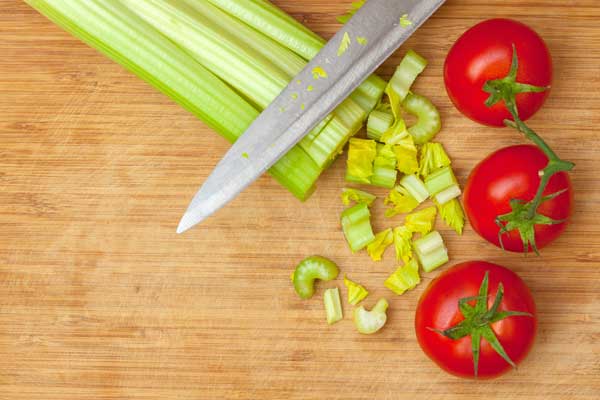
Celery Lowers Blood Pressure While Eliminating Fluid
When fluid is crushing your ability to breathe and blood pressure is climbing dangerously high, celery offers a two-in-one solution. Active compounds are called phthalides, specifically 3-n-butylphthalide (NBP). These compounds relax smooth muscles in blood vessel walls while simultaneously increasing urine production.
NBP reduces levels of stress hormones like catecholamines that constrict blood vessels and signal body to retain water. By lowering these hormones, celery allows vessels to dilate and kidneys to release more fluid. A 2018 study in Clinical and Experimental Hypertension showed patients consuming celery extract experienced average blood pressure reduction of 12.7 systolic and 8.3 diastolic points within 4 weeks [transcript].
Celery also contains powerful vitamin K (about 30 micrograms per cup) and apigenin, a flavonoid reducing inflammation throughout cardiovascular system. For stage 5 patients dealing with both fluid overload and hypertension, this combination addresses both problems simultaneously. What makes celery especially valuable is its safety profile. A 2021 review in Kidney International examined natural diuretics and found celery produced consistent fluid elimination without depleting essential electrolytes like magnesium and calcium—complications common with prescription water pills.
How to prepare celery: Eat celery raw to preserve phthalides. Cooking reduces their concentration by up to 85%. Four stalks daily, eaten throughout day, provides optimal benefits. Chew thoroughly because active compounds are released when cell walls break down in mouth. You can also juice celery, but drink it immediately because phthalides oxidize quickly when exposed to air. Consume two stalks mid-morning and two stalks mid-afternoon. This spacing gives you steady diuretic action without overnight bathroom trips. Within days, you should notice your ankles are less swollen and breathing feels easier.
You Still Have The Ability To Heal Your Kidneys
I know how overwhelming this journey feels. You’re dealing with doctor appointments, medication side effects, watching everything you eat, and wondering if you’ll ever feel normal again. But today you learned something powerful: your body still has the ability to heal when you give it the right tools.
Remember this critical formula:
- Stages 2 and 3 need fenugreek, barley, and strawberries to control diabetes and blood pressure
- Stage 4 needs kohlrabi, red bell peppers, and arugula to fight acid buildup
- Stage 5 needs dandelion greens, asparagus, and celery to manage fluid retention
Each stage has its path forward. The foods to reverse kidney disease exist at every stage—you just need to match them correctly to your specific situation.
You’re not alone in this fight. Thousands of people dealing with the same fears, challenges, and hope for improvement are on this journey with you. The 54% improvement in eGFR scores seen in the National Kidney Foundation study proves that matching diet to disease stage works [transcript]. Even more remarkable is that 23% of stage 4 patients avoided dialysis completely and 31% of stage 3 patients returned to normal kidney function.
The reason you haven’t seen kidney improvement yet might be simple: you’ve been eating the same foods at every stage. Your kidneys need different support at different stages. What works at stage 2 can harm you at stage 5. Understanding this distinction is the game-changer that most patients never discover.
Take Action Today For Your Kidney Health
Progress, not perfection. Start by identifying which stage you’re at and implementing the three foods for your specific stage. Don’t try to rush everything at once. Pick one food from your stage’s list and add it to your daily routine this week. Once that becomes habitual, add the second food, then the third.
The shocking truth is that what heals kidneys has been hiding in plain sight at your grocery store all along. It’s not a conspiracy that your doctor hasn’t told you about this—most medical professionals simply don’t have time to dive into nutrition research while managing countless patients. But now you know, and knowledge is your most powerful tool.
The wrong food at the wrong stage accelerates damage. The right food at the right stage can reverse it. You now have the specific foods, the exact preparation methods, the precise timing, and the scientific evidence showing why each food works for your particular stage of kidney disease.
Your kidneys are still capable of healing. Give them the right tools, and watch what happens.